Everything We Called Nothing

There are friendships that begin with a story worth remembering.
Ours began with a lab report.
I started talking to her pretty late in second year. Not because either of us had suddenly decided we needed a new person in our lives. We were simply trying to get through the same academic mess at the same time.
She needed something from me. I needed something from her. That was it.
Our first few conversations were painfully formal. Projects. Assignments. Lab reports. Submission dates. The kind of messages that begin with "Hi" even though you have already seen the person in class.
I still remember one of the first exchanges because it perfectly predicted the kind of friendship we would eventually have.
She asked whether I had finished the lab report.
I said, "Technically."
She immediately replied that technically meant no.
She was right.
We just didn't know that, somewhere inside that stupid conversation, a much bigger problem had already started.
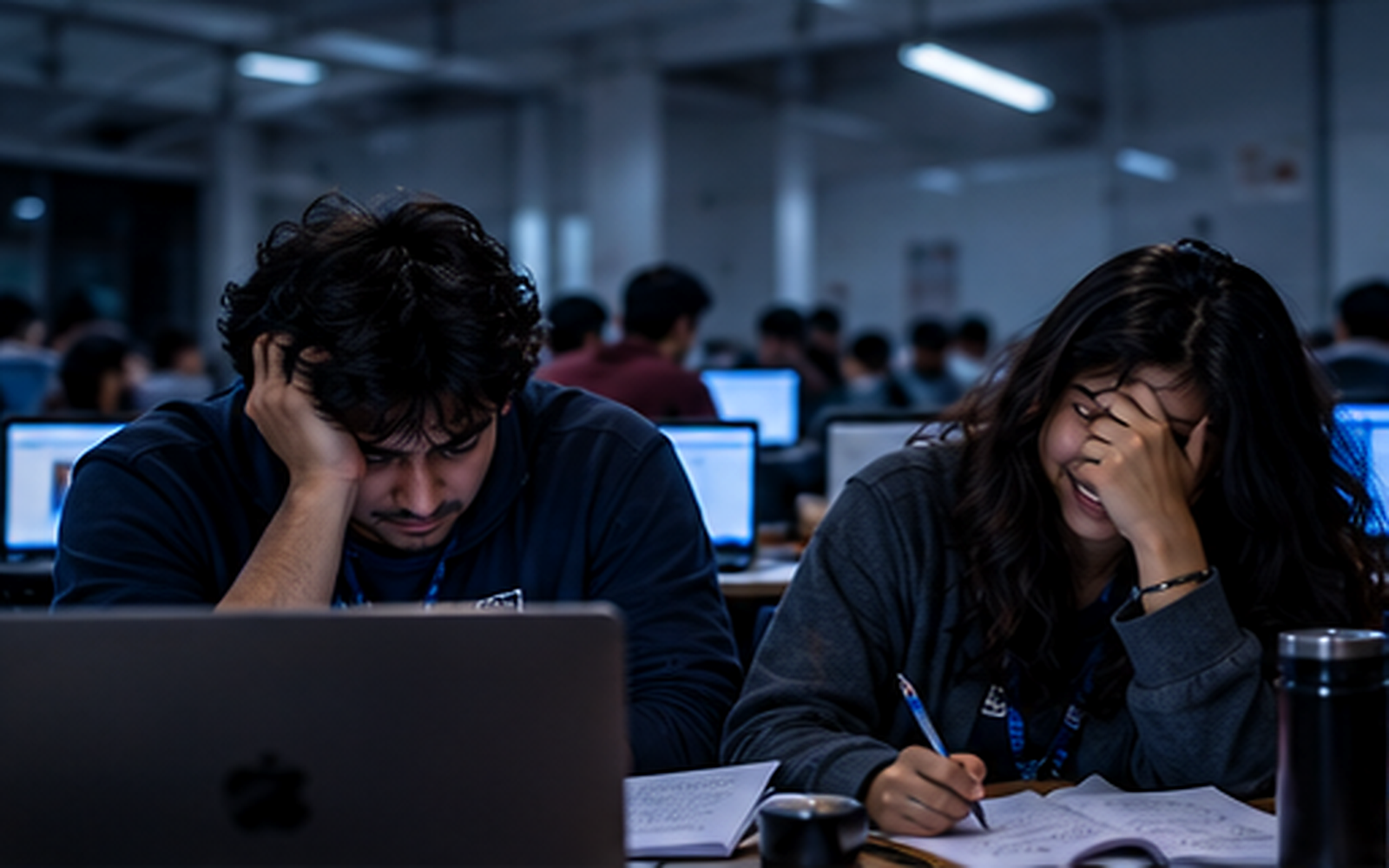
The funny thing is that important people rarely arrive looking important.
There was no instant connection. No cinematic first meeting. No moment when I went home thinking I had just met someone who would eventually occupy half my ordinary life.
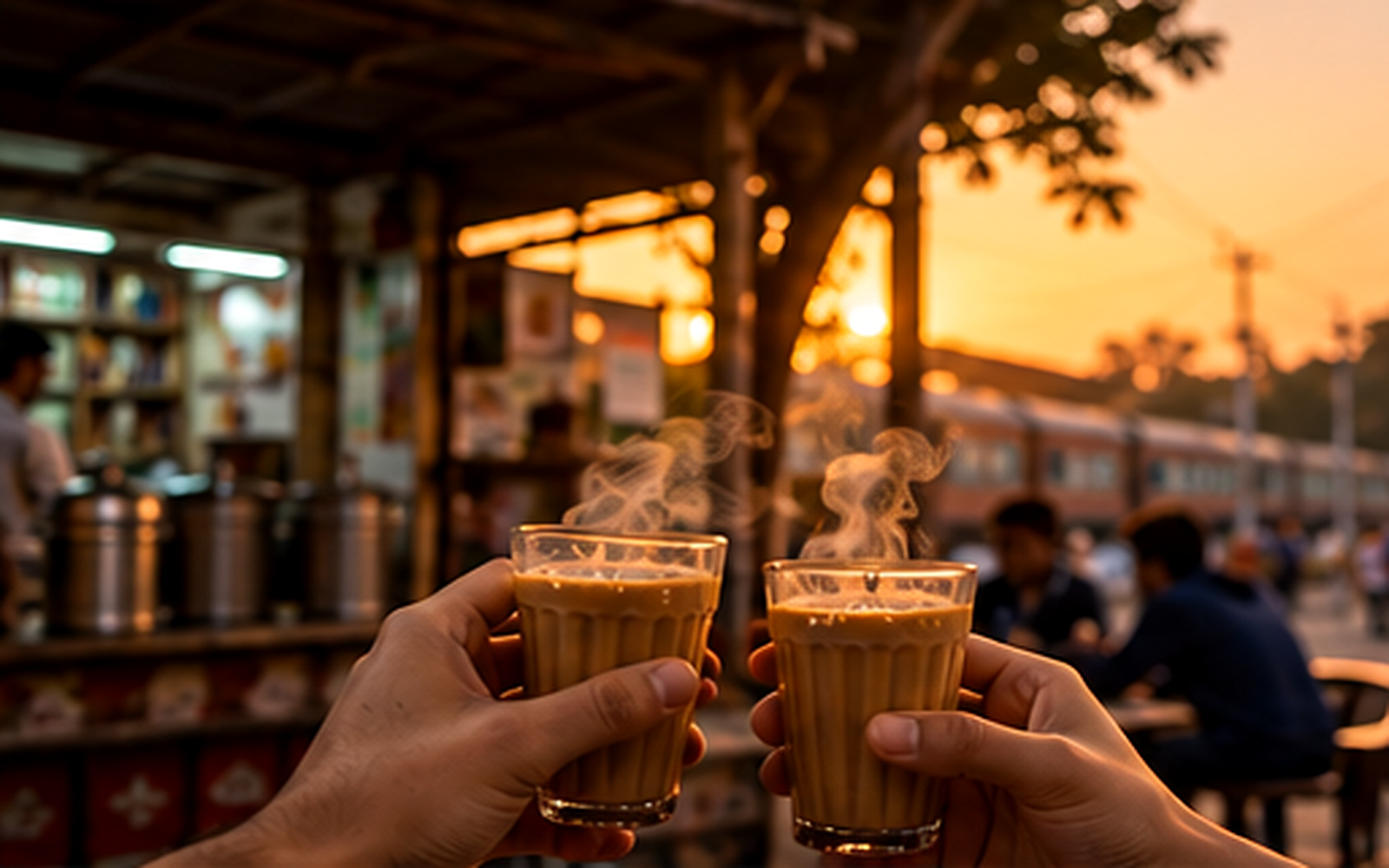
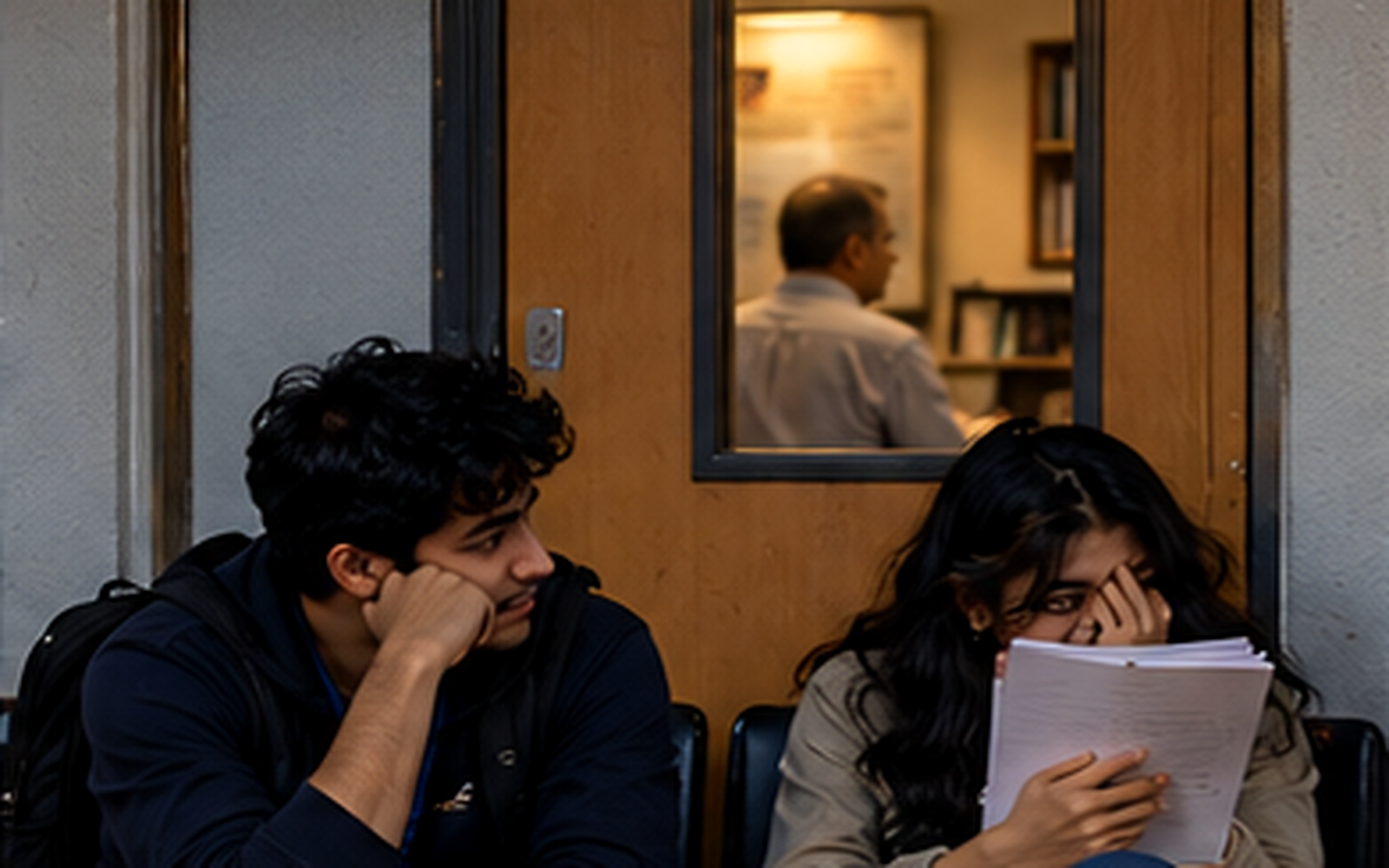
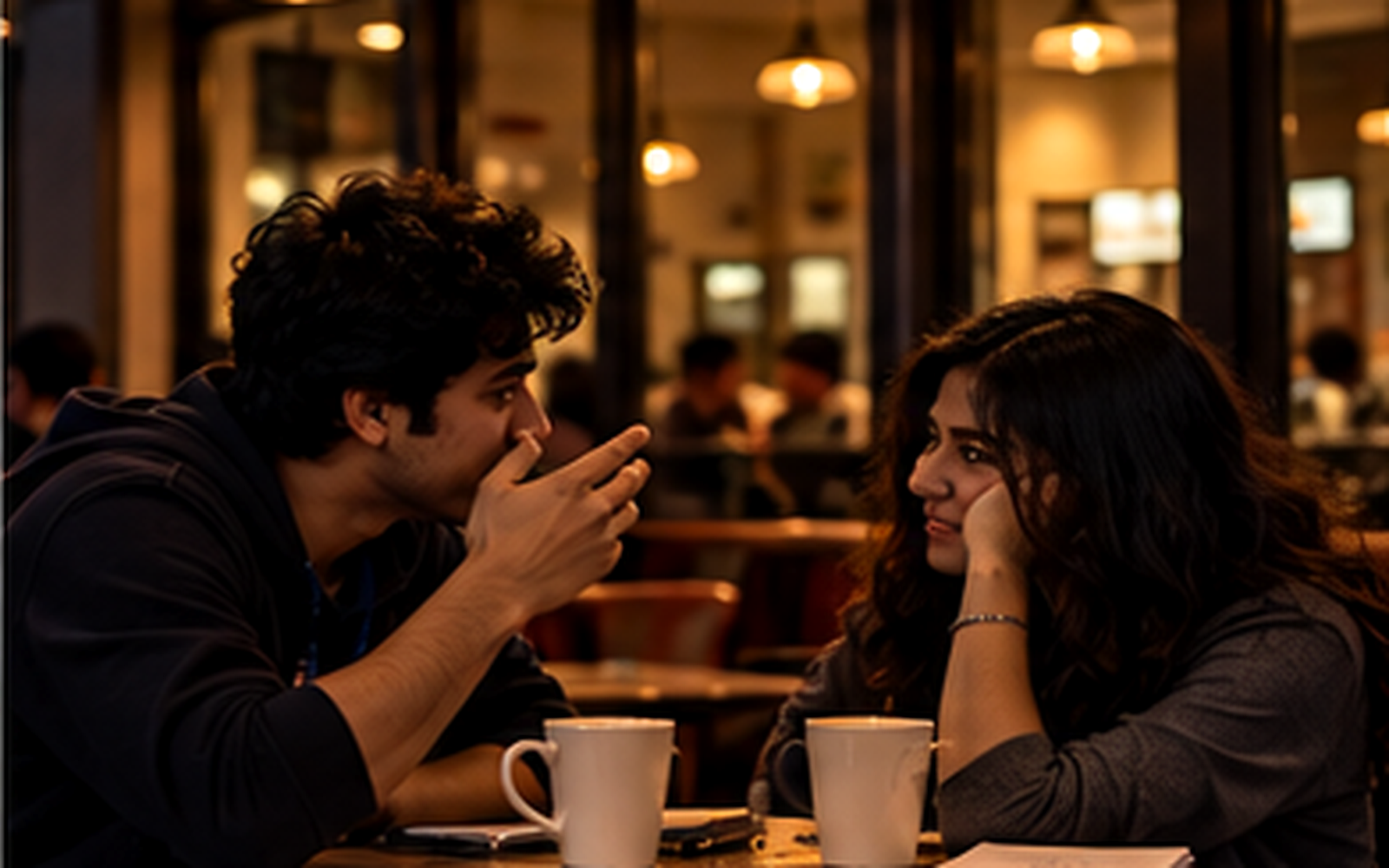
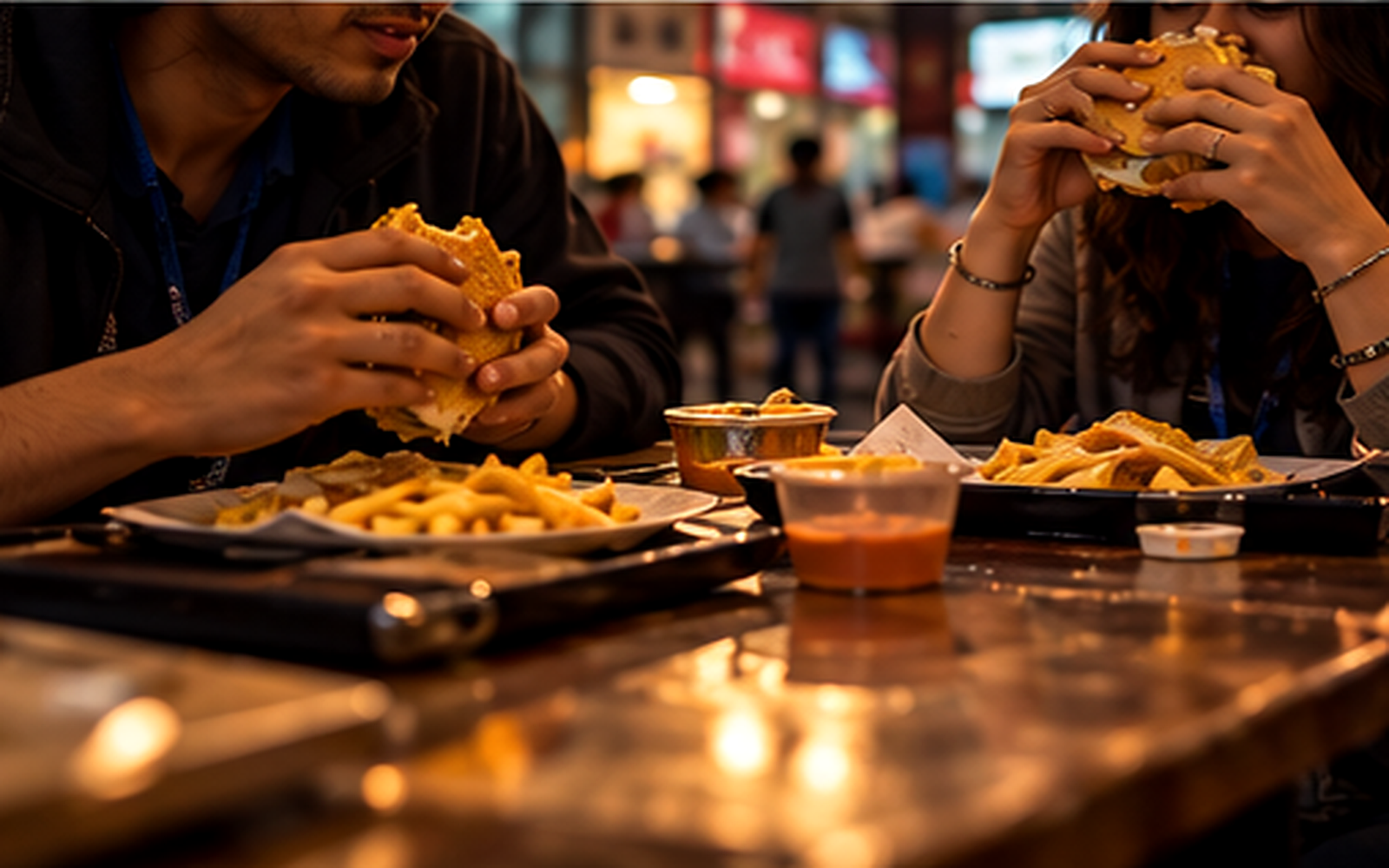
Inside the classroom, nobody would have guessed we even knew each other. We could sit in the same room and behave like two people from the same batch who happened to recognise each other's faces. Our actual friendship existed somewhere else. In the computer lab after class. Outside a professor's cabin while waiting for our turn. On the college ground when a volleyball game had started and neither of us was supposed to be serious about anything. At CCD. At some fast-food stall where we would stand around longer than we needed to. At the station chai tapri. And most of all, on the way to college and on the way back from it, when there was enough road between us and the classroom for the real conversations to begin.
The first hackathon made things worse.
Or better.
It is difficult to tell now.
We went in with the kind of confidence people have when they have not yet understood how many ways a software project can fail in twenty-four hours.
We had an idea. We had a laptop. We had enough food to survive the night. We even had a presentation that looked convincing for the first ten minutes.
Then the code stopped behaving.
A feature broke.
Another feature broke while we were trying to fix the first one.
At some point, she pointed at the screen and asked, "Is this supposed to happen?"
I said no.
She asked why it was happening.
I told her it was complicated.
She told me that was the sentence people use when they don't know what they are doing.
We laughed.
By morning, the project was something between a hackathon submission and a confession.
We had spent hours trying to make it work and somehow ended up laughing more than we had before we started.
That was the first thing I liked about her.
She could make failure feel less embarrassing.
We failed the second hackathon too.
This one had a particularly humiliating ending.
The organizers forgot to give us our certificates.
We noticed after we had already started leaving.
We stood outside for a few seconds wondering whether we should go back.
She said we should.
I told her she should.
She asked why.
I told her because she talked more.
She said I didn't talk enough.
I told her that was exactly why we balanced each other.
She said we should never make the friendship sound intentional.
The certificate stayed behind.
We went home laughing.
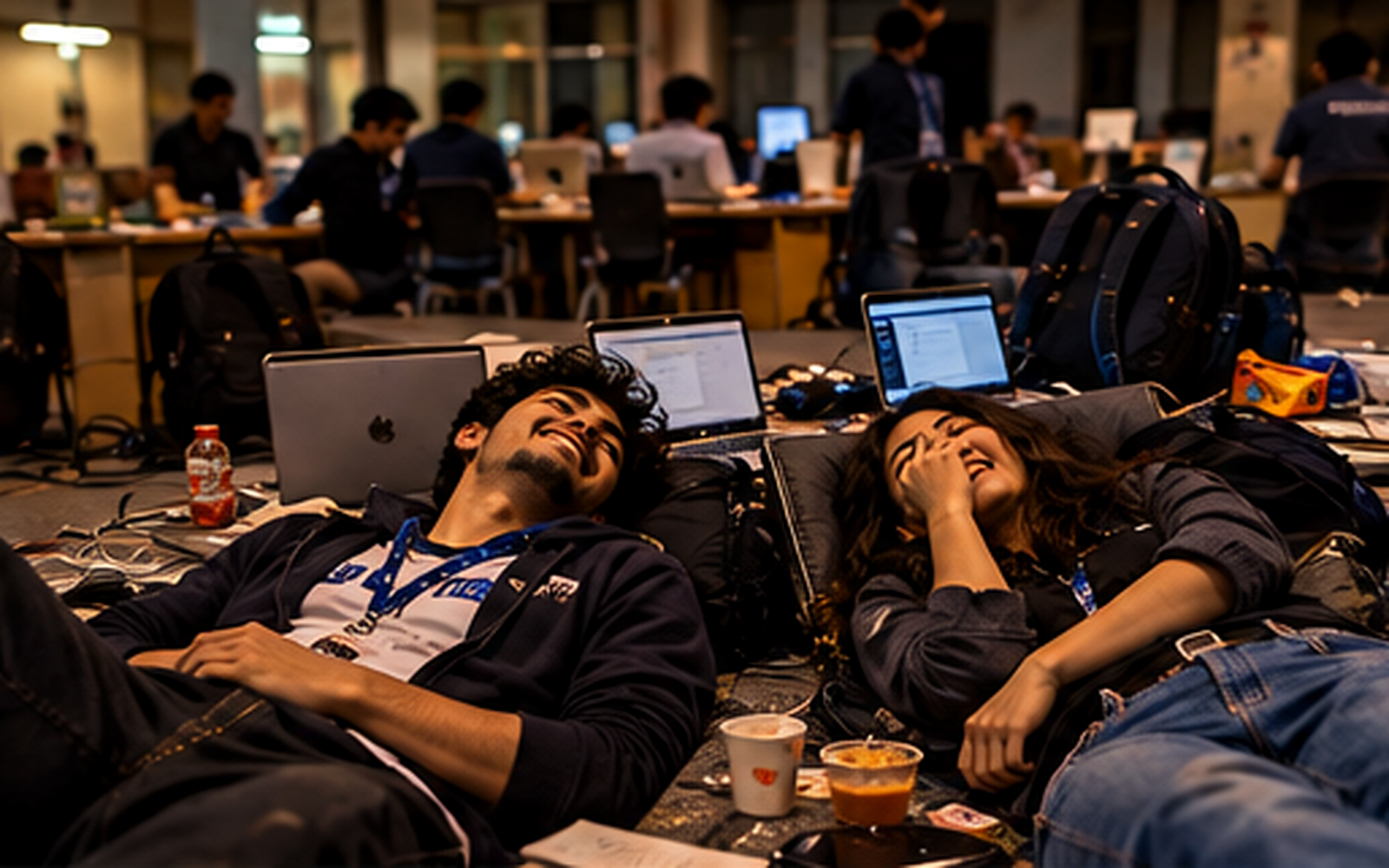
That was probably the moment we became friends.
Not because we won anything.
Because we had something to laugh about that nobody else would understand.
After that, the relationship changed without asking permission.
First, we were classmates who knew each other.
Then we became people who looked for each other after class.
Then people who automatically sat together.
Then people who somehow had tea plans without remembering when tea plans had become a thing.
One cup became a routine.
A routine became a map.
There was the chai tapri at the station. The fast-food stall we kept returning to. CCD when we wanted to sit longer than a roadside bench allowed. The computer lab when one of us had some unfinished work and the other somehow stayed. The professor's cabin where we would wait outside, whispering jokes while pretending to be serious students. The college ground and volleyball games where we could argue about absolutely nothing while the rest of the batch was busy playing. And then there were the roads to college and back, which somehow became our best conversation room.
We fought through all of it.
Constantly.
We could argue about the smallest thing and then, five minutes later, be discussing where to get tea.
In public, though, there was a rule nobody had ever formally written down.
We could insult each other.
Nobody else could.
Someone would make a joke about her and I would defend her.
Someone would complain about me and she would immediately take my side.
Then we would go somewhere private and continue the argument ourselves.
We were terrible at being nice to each other.
We were strangely good at being there for each other.
We also stopped using our real names.
I don't remember the exact day it happened.
Maybe one nickname became another.
Maybe an insult became a greeting.
Eventually, hearing each other's actual names felt strangely formal.
She could call me something ridiculous and I knew exactly what mood she was in.
I could say one of her stupid nicknames and she would know whether I was teasing her or trying to make her laugh.
That is one of the quiet things that happens when you know someone for long enough.
Language becomes private.
You don't need to explain the joke.
You don't need to explain the silence.
You know what "fine" means.
You know what "okay" means.
You know when "nothing" is absolutely not nothing.
She was an extreme overthinker.
I was almost the opposite.
She could spend ten minutes analysing one punctuation mark.
One evening she sent me a screenshot of a message someone had sent her.
Why did she say okay.
I said, "Because she said okay."
She replied that I was missing the full stop.
I reminded her that punctuation existed.
She said, "Exactly."
I told her she was overthinking.
She said she knew.
Then she asked why she couldn't stop.
I told her to stop thinking about it.
She said she was now overthinking why she couldn't stop overthinking.
At that point I told her the conversation was a disease.
She reminded me that I was still there.
Unfortunately, I was.
She needed someone who would drag her back toward the simplest possible explanation.
I needed someone who would remind me that simple and obvious were not always the same thing.
Maybe that was why we worked.
She thought too much.
I thought too little.
Between us, things sometimes landed somewhere in the middle.
Then came the interview days.
They became another version of the same friendship.
We would meet at the station with folders, backpacks and completely unnecessary anxiety.
She would check her documents again.
Then once more.
Then ask me whether her bag looked okay.
I would tell her it was a bag.
She would get annoyed.
She would ask what I was wearing.
I would answer something deliberately useless.
She would demand a photo.
Then she would insult the outfit.
I would wish her bad luck.
She would call that emotional support.
It was.
She was the one who remembered practical things.
I was the one who remembered to make fun of her when she was too nervous.
Between us, the interview morning usually found some balance.

There were also the small moments nobody writes stories about.
She would know I had skipped breakfast.
I would know when she had not slept enough.
She would send a message asking whether I had reached.
I would complain about the question.
Then I would still answer.
We learned each other's habits without trying.
I knew which road she preferred walking through campus.
She knew when I was pretending not to be stressed.
I knew which food she would order without checking the menu.
She knew exactly how long it would take me to say yes to chai when I was pretending I was busy.
These things never looked important.
They only became important after there were enough of them.
The strange thing about closeness is that it rarely announces itself.
It accumulates.
One tea.
One walk to college.
One walk back.
One stupid argument beside the volleyball court.
One extra fifteen minutes outside a professor's cabin.
One more stop at the fast-food stall.
Then suddenly there is a person spread across your ordinary life.
The college noticed before we did.
People started assuming we were dating.
Not once.
Repeatedly.
Inside class, nobody could tell us apart from any other classmates. Outside it was different. Someone would see us walking back from college together, sitting at CCD, arguing beside a volleyball game, or sharing chai at the station and grin.
Someone else would ask why we were always together.
A friend once looked at us and said we behaved like an old married couple.
She looked offended.
I said that was an insult to both of us.
We laughed.
Nobody asked again.
The truth was that we never strongly denied it.
We also never confirmed it.
There was something strangely convenient about letting other people remain confused.
Because the actual answer was complicated.
We were not dating.
But we were also much closer than most people were prepared to understand when they heard the word friendship.

And then there was another inconvenient fact.
We were both in relationships.
Separate ones.
We knew about each other's relationships the same way most college things travel: through mutual friends, half-jokes, passing comments, bits of information that reach you without ever being announced properly. We knew.
And for once, neither of us asked.
Not once did we sit down and say, "Tell me about yours." Not once did she ask me about mine. It was almost funny. We could discuss projects, interviews, professors, volleyball, food, stupid arguments and everything else under the sun, but somehow that one subject remained outside the friendship without either of us needing to put up a sign.
We knew it.
There was no secret plan.
No hidden agreement.
No confession waiting around the corner.
If anything, having separate relationships made our friendship feel safer.
There was nothing to chase.
Nothing to prove.
No expectation.
We could meet for chai because it was chai.
We could travel together for interviews because that was what friends did.
We could talk late because we were comfortable.
We could fight and make up without turning every emotion into a question.
It was a friendship with boundaries.
At least that is what we told ourselves.
Maybe that was why everyone else's assumption irritated us.
They kept seeing something we were determined not to name.
But people were not completely stupid.
They saw us looking for each other after class.
They saw us leaving campus together, stretching a ten-minute walk into an hour.
They saw us at CCD, at the station tapri, outside a professor's cabin, in the computer lab, or beside a volleyball game pretending to care about the score.
They saw how quickly we defended each other.
They saw the ease.
We saw only the label.
Friends.
Simple.
Safe.
True.
It just wasn't the whole truth.
The first time I really thought about that was during one of our smaller fights.
She asked if I cared.
I asked, "About what?"
She said, "Forget it."
I hated that sentence.
I told her she was doing the thing again.
She asked what thing.
I said she was making everything complicated.
She went quiet.
Then she said, "Maybe because you make everything simple."
At the time, I thought I was being practical.
Looking back, I think I was being careless.
We didn't solve it properly.
There was no dramatic apology.
No emotional speech.
The next day I asked whether she wanted chai.
She said yes.
Five o'clock.
Same place.
We sat down and argued about something completely unrelated.
That was how we repaired things.
Not by talking everything through.
By showing up again.
Maybe that was our version of saying, I am still here.
Years later, I still think about that.
How many relationships survive because people say the right thing?
Ours survived because we kept returning.
There were days when one of us looked half-dead and the other still wouldn't use some soft check-in. That wasn't us. Our version of concern was closer to, "Still alive?"
Barely.
Good.
That was enough.
There were moments when one of us had news and the first instinct was to find the other. There were days when we met for no reason at all.
That might have been the biggest clue.
We had stopped needing reasons.
Near the end of college, everybody started talking about what happened next.
Jobs.
Cities.
Interviews.
Move-out dates.
Farewells.
People promised to stay in touch.
Some meant it.
Most probably did.
But time has a talent for making promises compete with new routines.
One evening, she asked me something that sounded casual until it didn't.
After college, are you still going to talk to me?
I made the obvious joke.
Unfortunately.
She said she was serious.
So I told her yes.
Then she asked for a promise.
I gave her one.
When I asked why she was asking, she said the word she used whenever she wanted to hide the real question.
Nothing.
There it was again.
Nothing.
Our favourite hiding place.
Nothing meant the question was too difficult.
Nothing meant don't make me explain.
Nothing meant I am thinking about the future and it scares me.
Nothing meant stay.
We had spent so much time calling things nothing that we had almost made a philosophy out of it.
A cup of tea was nothing.
Walking to the station was nothing.
Checking whether the other person got home was nothing.
Getting angry because someone had been treated badly was nothing.
Missing someone before they had even left was nothing.
And somehow, piece by piece, that nothing had become most of our friendship.
We reached the final weeks of college almost by accident.
There was no dramatic countdown.
One day there were still classes.
Then there weren't.
One day there were still reasons to meet.
Then the reasons started disappearing.
We still found ways.
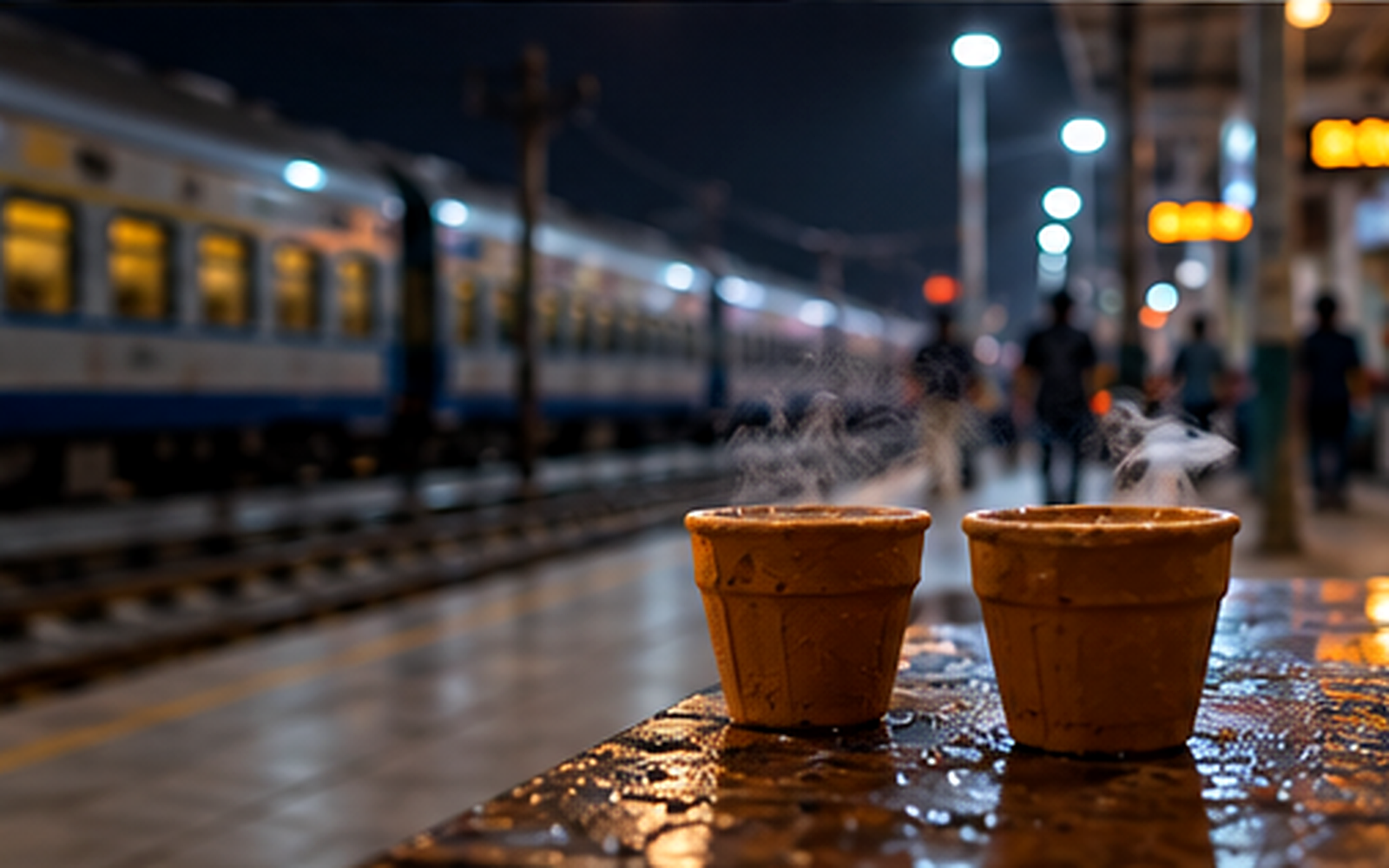
One evening we went to the station just because we always did.
There was no interview.
No train we needed to catch.
No assignment.
Just the old routine.
Two cups of chai.
The tracks in front of us.
People moving around.
Announcements in the distance.
For once, she was quiet.
So was I.
She said, "Everyone really thought we were dating."
I said, "They still do."
She asked why.
I gave the easy answer.
Because we're always together.
She looked at me.
That's not the only reason.
And that sentence stayed between us.
The tea was getting cold.
She called me a coward.
I called her an idiot.
We looked at the tracks again.
Nothing was said.
Not because there was nothing to say.
Because there was too much.
That was the problem.
We had spent two years becoming good at everything except saying the one thing that could change the shape of the friendship.
Maybe we were afraid of being wrong.
Maybe we were afraid of being right.
Maybe we were simply too comfortable with what we had.
Sometimes people think the biggest obstacle to love is fear of rejection.
I don't think it always is.
Sometimes it is satisfaction.
Sometimes you already have something beautiful.
You are already someone's person.
You already know where they will be at five.
You already know which tea they drink.
You already know what joke will make them laugh.
And because nothing is officially broken, you don't risk changing it.
We were a couple in everything except the word.
That sentence sounds romantic when you write it down.
In reality, it was mostly two idiots taking a long time to understand their own habits.
The last walk back from the station felt different.
Not dramatically.
Just enough.
The road was quieter.
The evening had thinned out.
She walked beside me with her bag over one shoulder.
I remember thinking that I had done this hundreds of times.
I also remember knowing I might not get to do it hundreds more.
That is the cruel thing about endings.
They usually look ordinary while they are happening.
No music.
No warning.
Just one more walk.
One more argument.
One more joke.
One more time hearing the person beside you laugh.
We reached the place where we usually split.
Neither of us moved immediately.
Then one of us would normally say goodnight.
Instead, we stood there.
I don't know whether she had the same thought.
I don't know whether she was afraid of the same thing.
I only know what happened next.
We both spoke at almost exactly the same time.
Let's meet tomorrow at CCD.
We stopped.
Looked at each other.
Then laughed.
She said she had been about to say the same thing.
I told her that, for once, we agreed.
She told me not to get used to it.
And there it was.
A plan.
Not a project.
Not an interview.
Not a hackathon.
Not some practical excuse.
Just CCD.
Tomorrow.
We started walking again.
Neither of us called it a date.
Not yet.
Maybe we should have.
Maybe we shouldn't have.
Maybe the whole point is that we spent so much time proving we were not a couple that we never stopped to ask why everyone else had already noticed how much of a couple we looked like.
We built an entire relationship out of things we called nothing.
Maybe that was enough.
Maybe it was almost something.
Maybe one day, sitting across from each other at CCD, one of us would finally get tired of hiding behind jokes and nicknames and the word nothing.
Maybe one of us would ask the question.
Maybe the answer would ruin everything.
Maybe it would explain everything.
For now, though, tomorrow was CCD.
And for once, that was enough.
Not a confession.
Not a resolution.
Just two people who had somehow become important to each other deciding, without discussing why, to meet again.

Maybe that was the real story.
Not that we should have dated.
Not that we secretly had.
Only that somewhere between the first lab report and the last cup of chai, we had become the kind of people who kept choosing the same next day.
And sometimes, the most dangerous word in a friendship is not love.
It is tomorrow.