The Weighing Machine Prank I Forgot
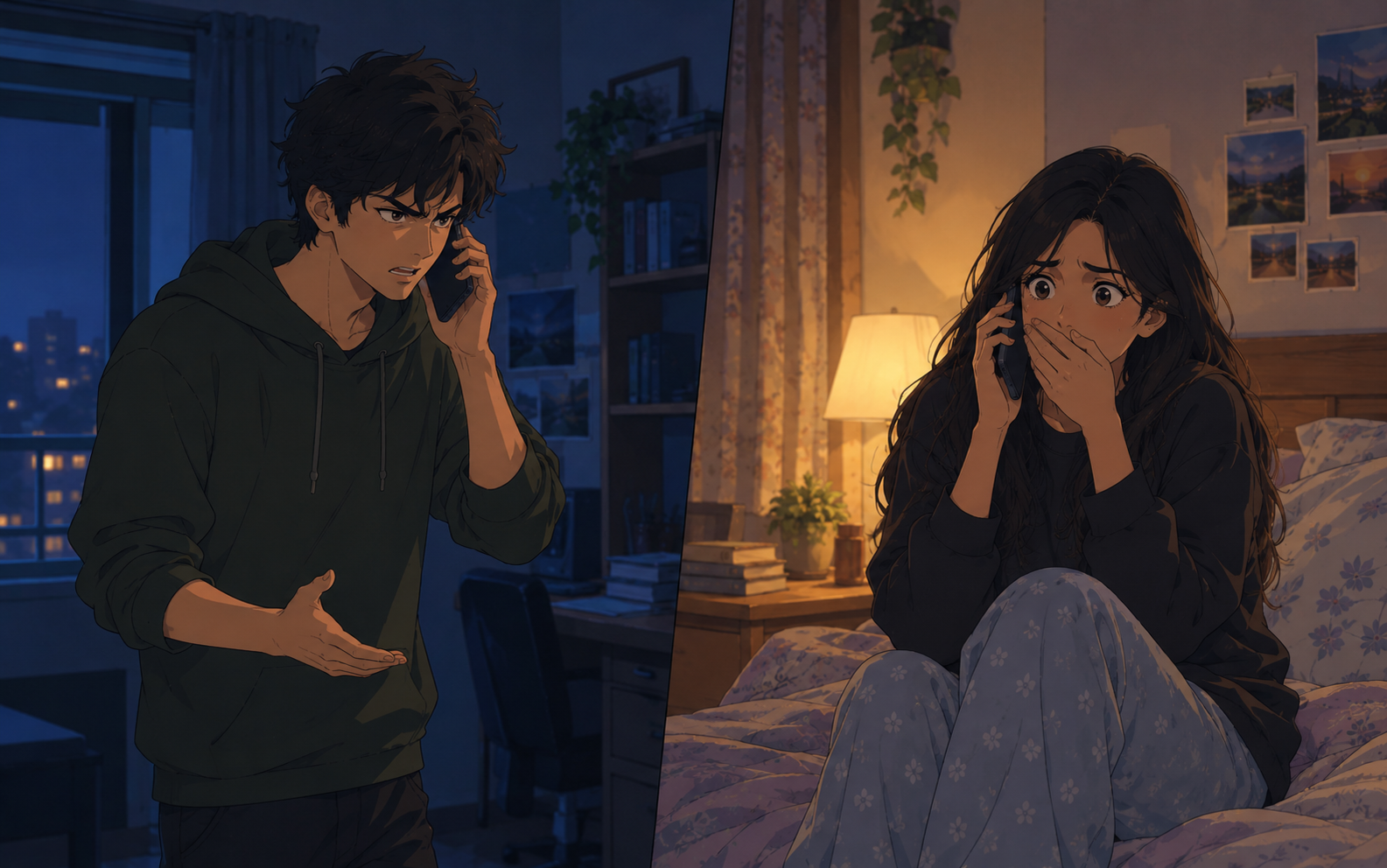
Some jokes last three seconds. Some last for months because the person who was supposed to be the joke never finds out. And some return on an ordinary evening, wearing the clothes of a serious accusation, just when you have four assignments, two lab reports and absolutely no spare space in your brain.
This one started at a metro station.
A few months earlier, she had stopped at one of those coin-operated weighing machines. You know the type: put in a coin, step onto the platform, wait for the number to appear, and receive a tiny printed verdict from a machine that has never met you but somehow feels qualified to comment on your life. She stood there, focused on the display, waiting to find out what it had to say.
I was standing right behind her. And, for reasons that still make me question the maturity of the human brain, I decided to interfere. While she was on the machine, I quietly put my feet onto the platform behind her. Just enough extra weight to push the number higher. The reading crossed eighty. I saw it happen. I knew exactly what I had done. And because I was apparently operating at the intellectual level of a schoolboy who had just discovered a new way to annoy someone, I considered it a masterpiece.
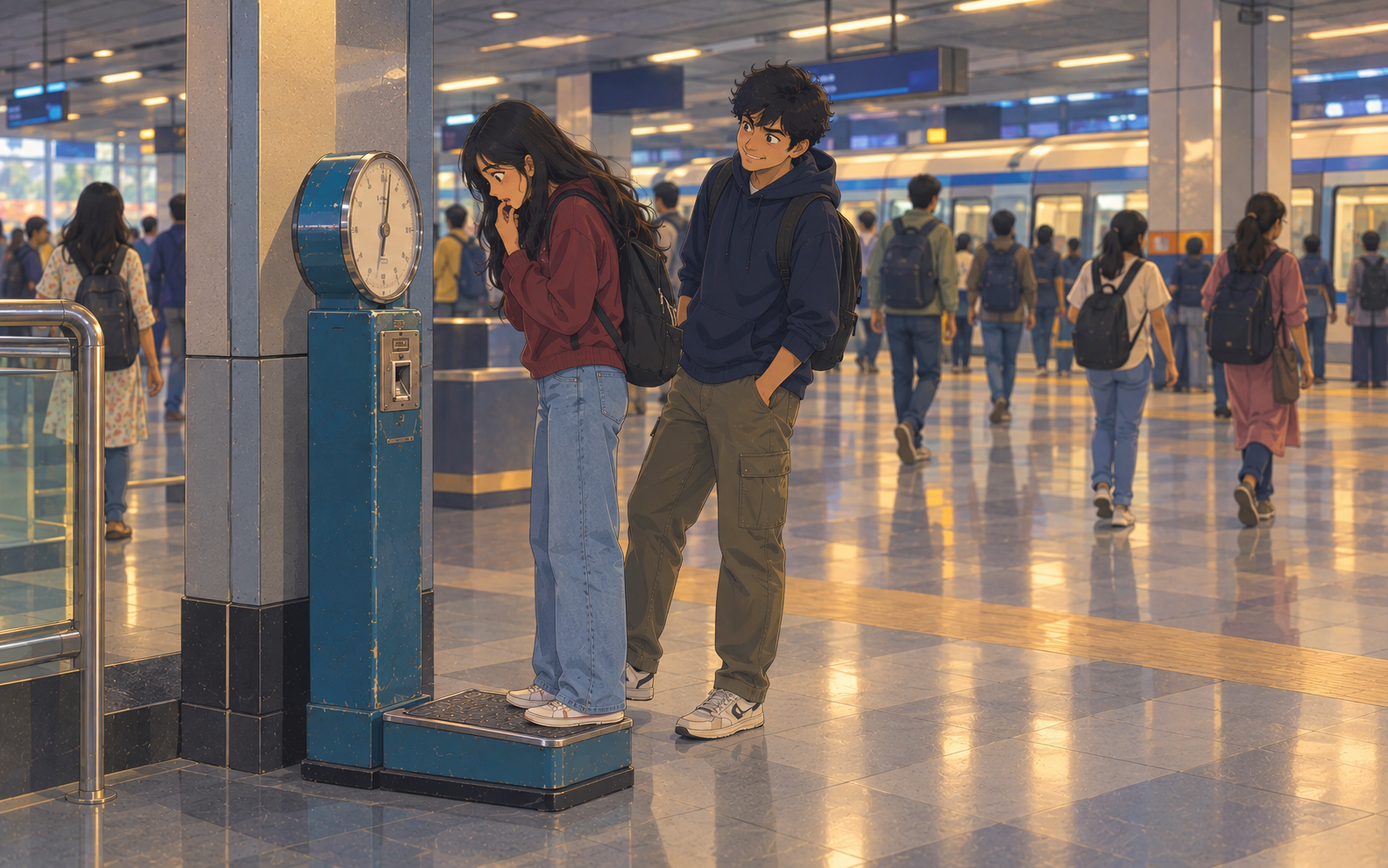
She saw the number and reacted to it. I kept my face as innocent as a person can look while actively being the reason a machine is lying. I did not confess. I did not even come close. I let the moment pass, and then we moved on to whatever ordinary thing came next.
That was the whole prank. A few seconds. One extra pair of feet. A number on a display. A secret I forgot almost as soon as it happened.
I should say, for the record, that even then I privately suspected the number might not have been as far from reality as I would have liked to believe. I still reserve the right to suspect that the machine, despite my interference, had stumbled close to the truth. But that is an opinion I wisely kept to myself. Some thoughts are funny only when they stay inside your head.
She never knew what had happened. As far as I understood, that chapter had closed. I forgot it completely.
Then, months later, I was sitting with my laptop open, drowning in college work. There were assignments waiting to be completed, lab reports that needed writing, and projects taking up space in my head that should probably have been reserved for basic human functioning. My desk looked like a stationery shop had lost a fight with a computer lab. The document on my screen had been open long enough that I was starting to resent the cursor for blinking at me.
I was trying to finish one thing before moving on to the next when my phone lit up.
Her message was short.
“I don't believe you could do that to me.”
I stared at it for a second. Read it again. Then looked back at the document, as if my assignment might contain a footnote explaining what had gone wrong in my personal life.
I typed back, “What happened? What did I do?”
No answer that actually answered the question.
Instead, she told me she had never imagined I could do something like that. She said she had trusted me. She said I had broken her heart. She said she could never look at me the same way again. The messages kept arriving, each one sounding more serious than the last, and none of them containing the one useful detail I needed: the thing I was supposedly guilty of.
At first, I thought she was talking about something recent. I searched my memory for an argument, a careless comment, a forgotten promise, something I might have said without thinking. Nothing surfaced. I was not trying to dodge responsibility. I genuinely had no idea what she meant.
“I never thought in my dream that you would do something like this.”
“What did I do?”
“You broke my trust.”
“How?”
“I can't believe you.”
“Believe me about what?”
The exchange went around in circles. I would ask for the actual accusation, and she would tell me how badly I had disappointed her. I would try to explain that I couldn't apologise properly if I didn't know what I was apologising for. She would say that the fact I was asking made it worse.
Somewhere in there, I began to feel genuinely worried. I know how this sounds. I was the one who had forgotten the incident, after all. But from where I was sitting, I had somehow become the villain in a story whose first page was missing. I kept going through the last few months, trying to locate the thing I had done that could make her sound so hurt.
I could not even work out which memory I was supposed to be defending myself against.
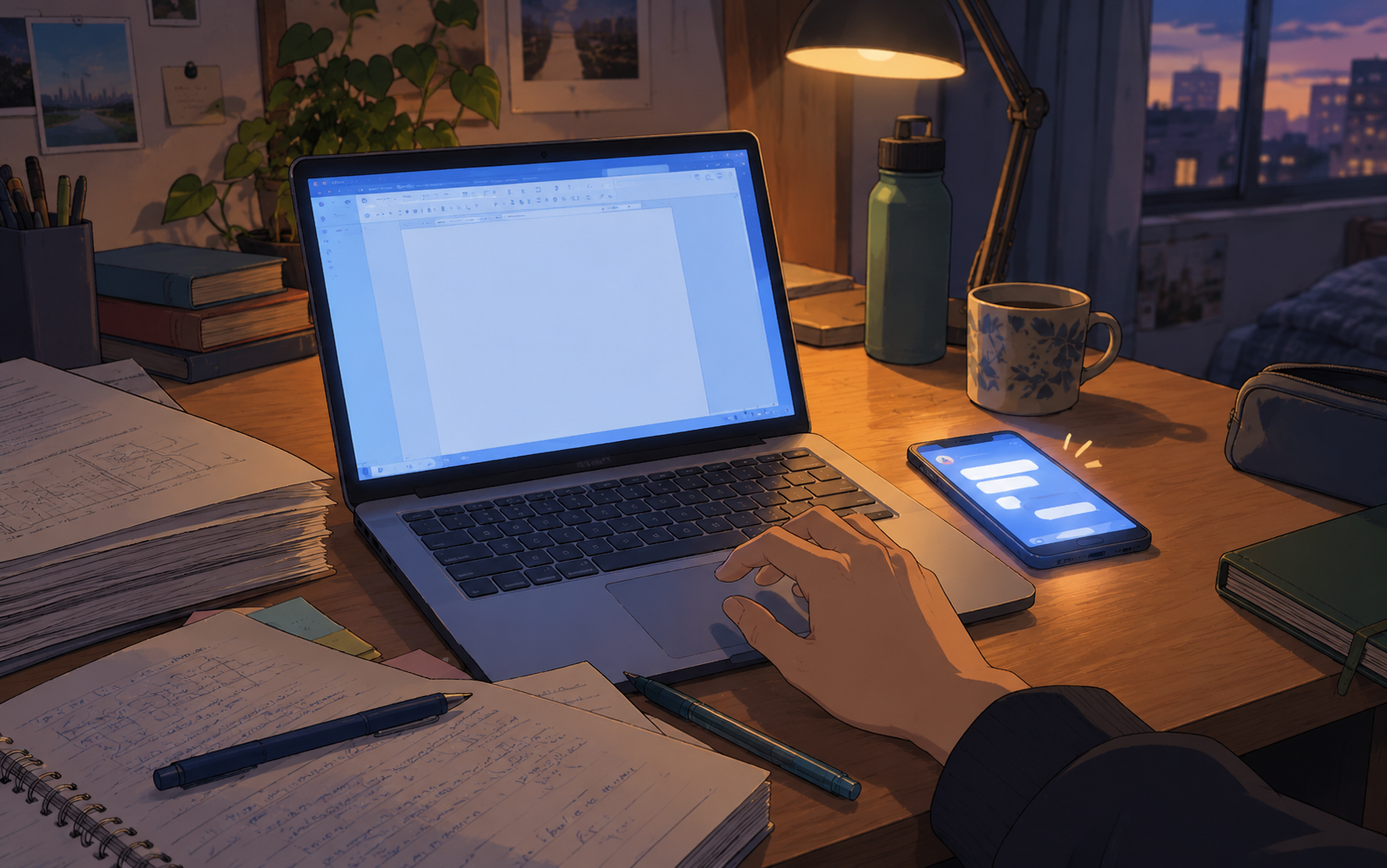
The assignment was still open. The lab report was still unfinished. My phone kept buzzing. Every time I looked back at the laptop, I had to reread the same paragraph because my mind had wandered back to her messages. I would start typing a sentence for college, remember another line she had sent, pick up the phone, ask what I had done, get another answer that explained how betrayed she felt without telling me why, and then return to the document no wiser than before.
I was trying to be a student and a decent friend at the same time. I was doing badly at both.
The worst part was that I was not even angry at first. I was anxious. I knew her well enough to understand when she was genuinely upset, and her messages sounded genuine. I didn't want to dismiss her feelings just because I couldn't understand them. What if I really had done something awful and simply failed to register how serious it was? What if this was one of those moments when I had been careless in a way I could not see?
That possibility sat beside me while I tried to write about experiments and results.
An hour passed like that. More than a hundred messages, give or take. A hundred variations on the same accusation. I was running out of patience, but I was also running out of explanations. I had apologised for upsetting her without knowing how I had done it. I had asked her to tell me directly. I had tried to reason with her. Every route brought me back to the same wall: she was hurt, I was guilty, and the actual reason was apparently something I had to discover through emotional archaeology.
“I never expected this from you.”
“What is ‘this’?”
“You know what you did.”
“I genuinely don't.”
“You're making excuses.”
“I am asking you what happened.”
And still, no answer.
By then, worry had turned into frustration, and frustration was beginning to turn into anger. It was not just that she was upset with me. It was that she seemed content to let me sit in the uncertainty. She knew what had happened. I didn't. She had the answer and kept circling around it while I tried to work out whether I had somehow damaged a friendship I cared about.
I had deadlines. I had assignments. I had lab reports. I had a brain already stretched across too many unfinished things. And now every spare corner of it was occupied by a single question: What did I do to her?
Around an hour into the conversation, when I was finally at the end of my options, she told me.
The metro station.
The weighing machine.
The number going past eighty.
Her roommate had been there that day. Somehow, months later, the story had come up, and the roommate had told her what I had done.
For a few seconds, I just looked at the screen. Then I understood.
That was it?
That was the betrayal?
That was the thing for which I had spent the better part of an hour trying to reconstruct my moral history? That was why I had been told I broke her heart, destroyed her trust and had become a person she could never have imagined me being?
A coin-operated weighing machine. A prank I had forgotten almost immediately. A pair of feet on the platform.
I completely lost it.
Not because she had found out. Not even because she was angry about the prank. I could understand being annoyed that I had messed with her reading and then let her believe it. What made me furious was the way she had delivered the news: more than a hundred messages of heartbreak, disappointment and betrayal, while withholding the actual incident until I had spent an hour worrying about what kind of person I must have been.
My brain had been trying to solve a serious problem. The answer turned out to be that I had once behaved like an idiot at a metro station.
The joke, it seemed, had not ended. It had simply changed owners.
I called her. I was too angry to keep trying to explain myself through typing bubbles.
“Do not call me ever again,” I said.
And then, before she could answer, I blocked her.
I did not explain why. I did not trust myself to. If I had stayed on the line I would have either said something I could not take back, or let her talk me out of being angry, and right then I did not want to be talked out of anything. The block was not a message. It was a wall. It was the only lever I had to make the last hour stop existing. WhatsApp, calls, everything I could reach. It was around nine in the evening. One second I was trying to work out what unforgivable thing I had done, and the next I had decided I did not want to hear another word.
It was dramatic. It was impulsive. It was also, at that exact moment, the only way I knew to stop the conversation.
I returned to my desk, but I did not return to work. The document was still there, waiting in the same place. The cursor kept blinking. The room was as ordinary as it had been before the first message, yet the night had changed completely.
The phone, for the first time in an hour, had gone completely silent. I told myself that was exactly what I wanted. It did not occur to me, not even once that whole night, that silence on my side did not mean silence on hers.
I kept replaying the hour. I knew the prank was silly. I knew she had a right to be annoyed. But I could not get past the feeling of being made to believe I had done something unforgivable when the truth was so small and so stupid. She had made me search through every serious possibility before revealing something that should, in any reasonable world, have taken one sentence to explain.
Blocking someone is a very efficient way of ending a conversation. It is less efficient at ending the conversation in your head.
The assignments remained unfinished. The lab reports remained unfinished. And now, alongside them, there was this new mess I had created by telling someone I cared about never to call me again.
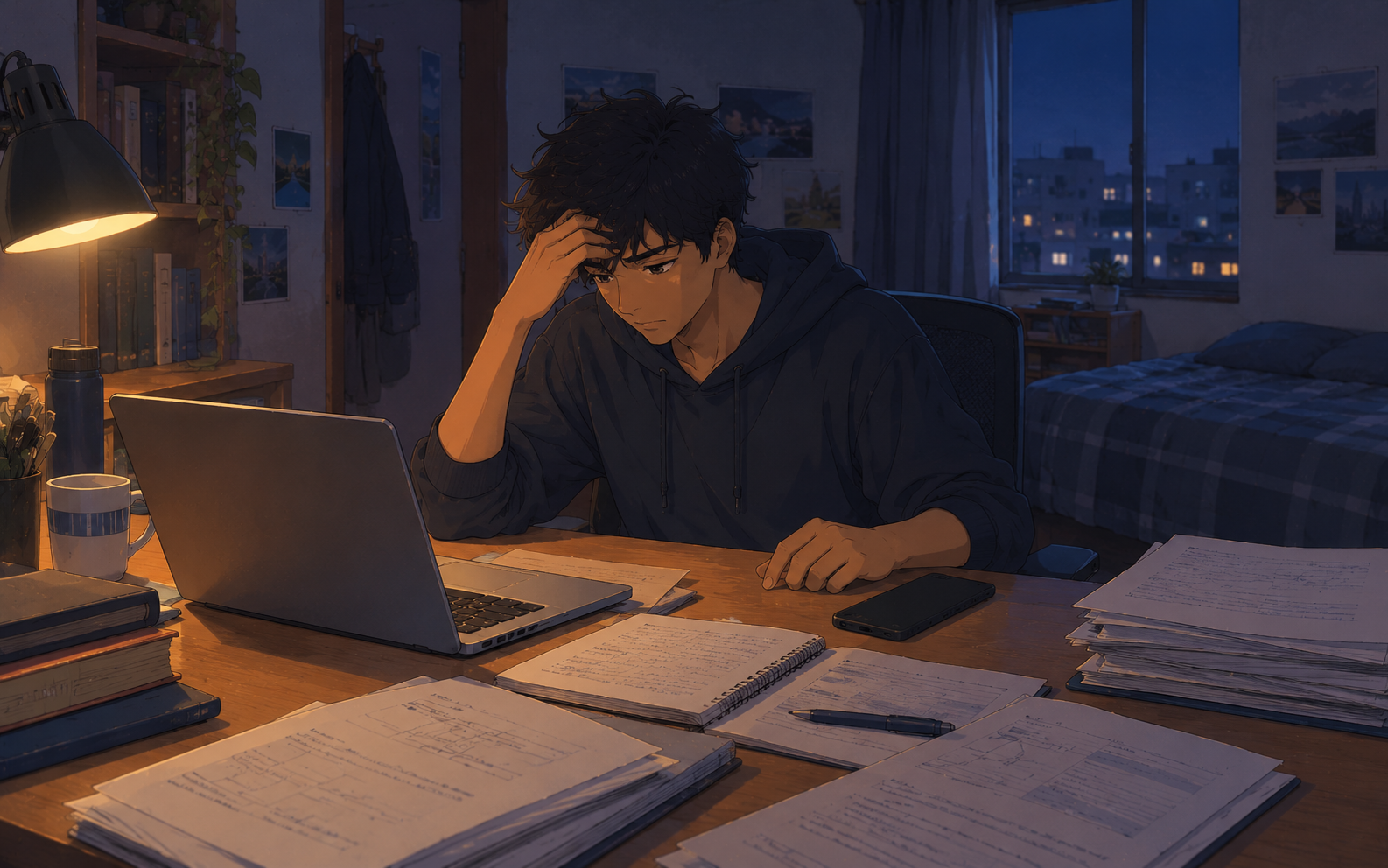
I carried it into the night. At some point, anger began to lose its sharp edges. The whole thing started looking as ridiculous as it probably should have looked from the beginning: she had staged an elaborate emotional ambush over a prank; I had responded by blocking her as though we were negotiating the end of a diplomatic relationship. Neither of us had handled a weighing machine with any degree of maturity.
Still, I did not unblock her right away. I waited until around four in the morning.
The hour when the world is quiet enough for your own thoughts to become embarrassingly loud. The deadline had not magically disappeared. My assignments were still there. But the anger had settled into something I could examine without immediately wanting to throw my phone across the room.
I thought about what I had said. “Do not call me ever again.” It was a sentence designed to sound final, and I had delivered it because I wanted the conversation to stop. I didn't know whether I meant it forever. I knew only that I had meant it at nine.
Four in the morning was a different kind of honesty.
I unblocked her. I had not even decided what I was going to say.
I never got the chance to decide. The phone rang almost in the same second, before the screen had finished settling, as if the call had been standing outside a locked door all night and the lock had finally turned. Her name, lighting up the dark.
She had not been waiting for me to reach out. She had been calling the entire time. Every attempt for the last seven hours had hit the wall I put up at nine and bounced off into nothing, and the instant that wall came down, the call came straight through. I had spent the night believing I had ended the conversation. She had spent it trying to get back into it.
I answered.
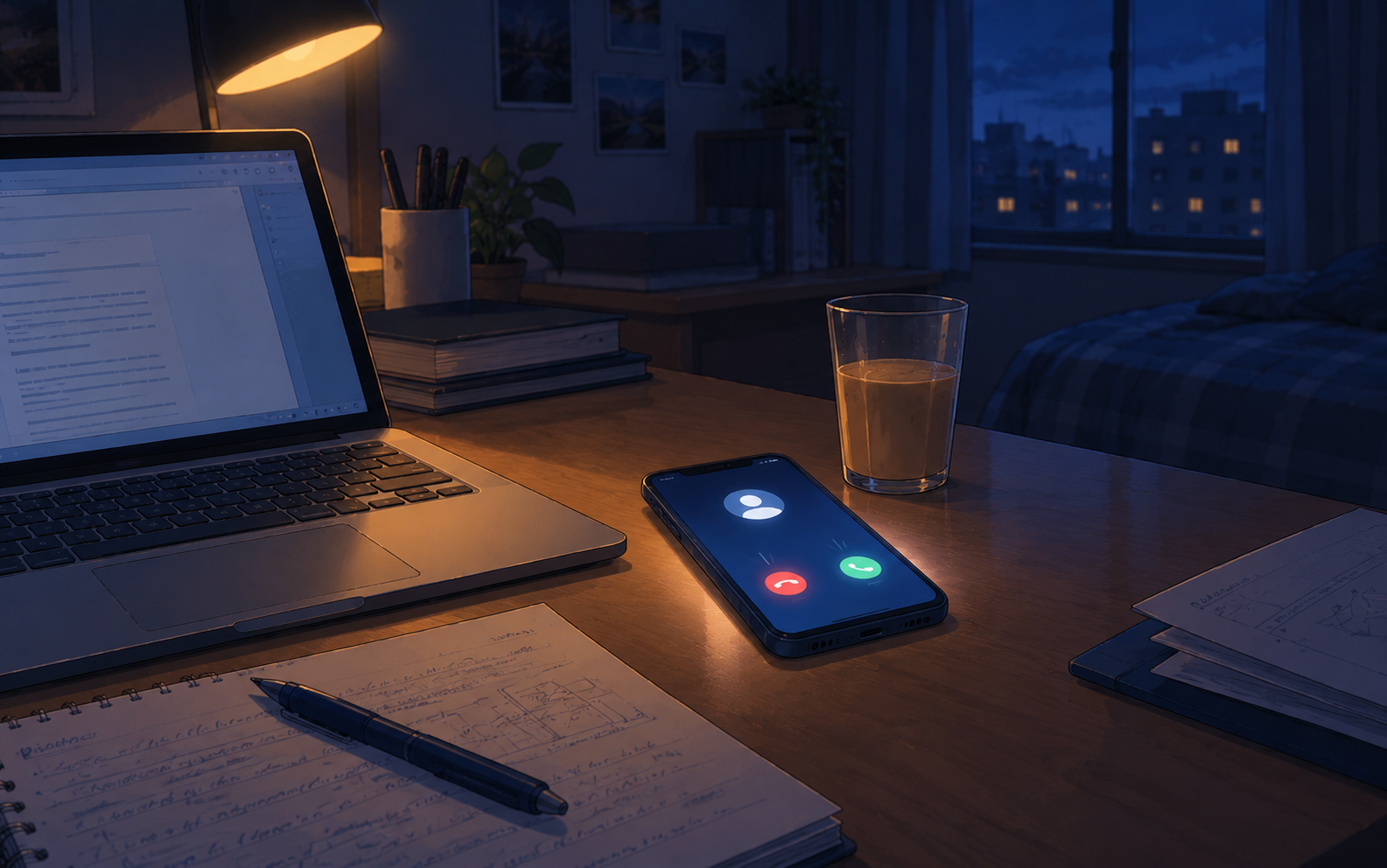
We spoke for about an hour.
There was no dramatic soundtrack, no perfect speech, no sudden understanding that made the last few hours seem necessary. There were two tired people on a call, both trying to explain why a small prank had somehow become a full-scale argument.
She explained her side first. She had wanted to prank me back for what I had done at the station. She wanted me to feel the same confusion and panic she had felt when she discovered the truth. The long buildup, the dramatic messages, the refusal to tell me what had happened: that had been the prank. She wanted me to sweat for a while.
She had apparently underestimated how thoroughly I could sweat while also thinking about pending lab reports.
I explained my side. I had forgotten the original incident entirely. When she started telling me I had broken her heart and betrayed her trust, I didn't know she was talking about a weighing machine. I thought I had done something genuinely hurtful. I was trying to understand what it was while still wrestling with all the work I had not finished. The longer she refused to tell me, the more seriously I took it. By the time she finally explained, I was exhausted, anxious and angry enough to react badly.
Neither explanation erased the other.
She had been hurt by the prank, and she wanted to give me a taste of my own medicine. I had been overwhelmed by the way she did it, and I reacted as though the friendship itself had become unsafe. The original joke was tiny. The feelings that followed it were not.
We talked through that distinction slowly. I told her why the hour of not knowing had got to me. She told me why she had wanted to make me nervous. We listened. We interrupted sometimes. We went back over the same points, because an hour-long argument does not become clear just because it has been moved to a phone call.
At some point, the conversation stopped being about who had won. That was when it finally became useful.
I think what bothered me most was not that she had been angry. People are allowed to be angry with you, even about things you consider harmless. What bothered me was being made to believe I had committed some terrible betrayal and being kept in the dark while I tried to work out what I had done. I had no way to respond to the actual problem because I had no idea what the problem was.
And I think what bothered her was not only the number on the machine. It was knowing I had deliberately interfered with something she was measuring, then watched her react without telling her the truth. In my mind, it had been a stupid little prank. In hers, I had let her trust a result I had secretly tampered with.
We had both been treating our own version of the story as the only version that counted.
By the time we hung up, nothing about the metro station had changed. The machine was probably still sitting there, taking coins from strangers and printing numbers with the confidence of a government office. The platform was still the platform. My feet had not become any less guilty.
But we had finally talked about what had actually happened.
I was still not happy about the way she had handled it. She was still not thrilled about the original prank. Neither of us needed to pretend otherwise. The point was not to declare a winner. The point was to stop making the other person guess what the fight was really about.
It sounds obvious when you put it that way. It is much less obvious when your phone is filling up with messages about broken trust and your assignment is due soon.
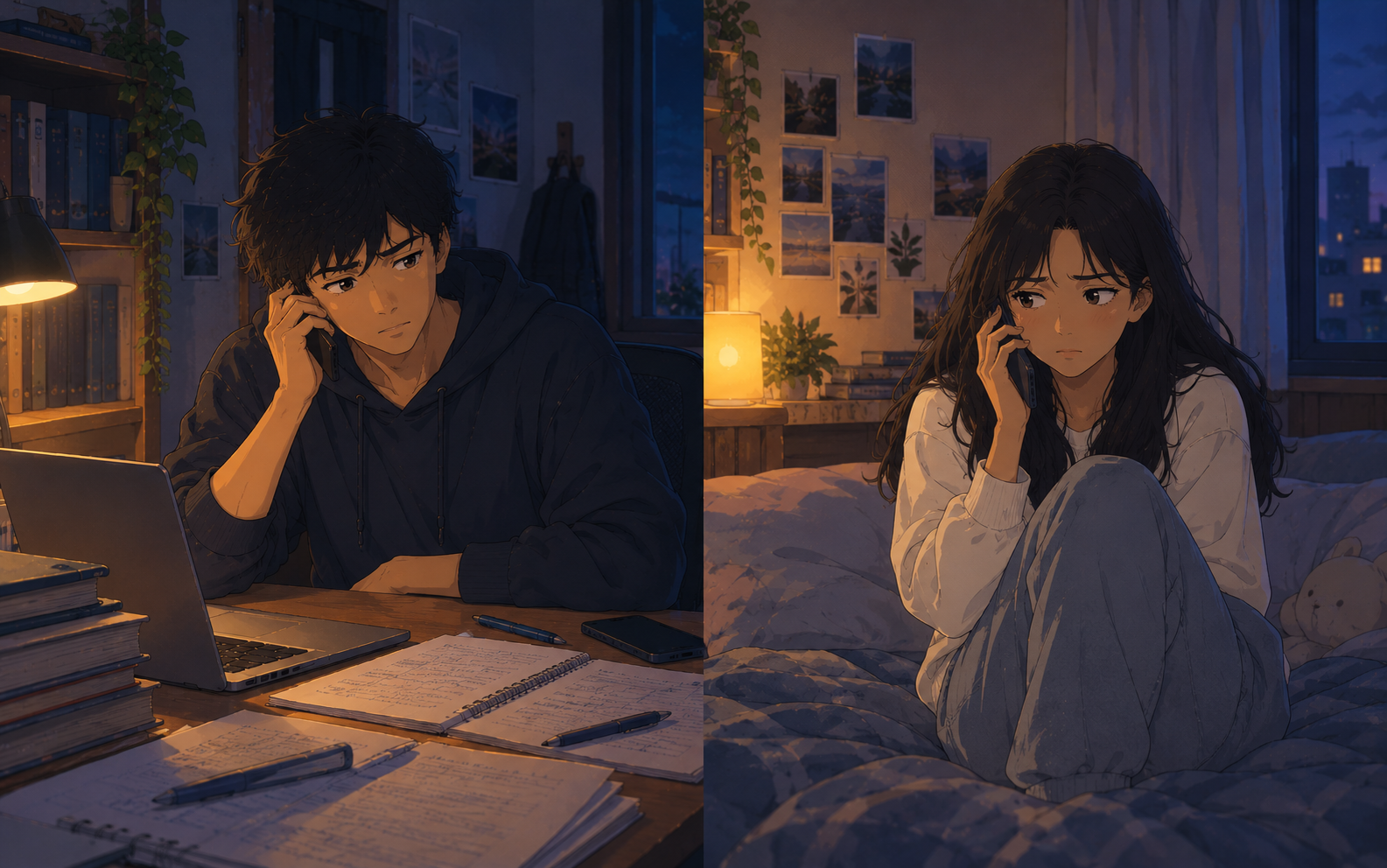
I wish I could say that after that call I became a wiser, calmer person who never reacted too quickly again. I did not. I was still me. I still had the same tendency to get buried in work and assume I could deal with everything else later. She was still herself too: perfectly capable of turning a simple prank into a dramatic event with a beginning, middle and a surprisingly long third act.
But the incident stayed with me for a reason I didn't expect.
A joke is not measured only by the intention of the person making it. It is also measured by what the other person has to carry after it. My prank lasted seconds. Her counter-prank lasted an hour. My reaction lasted until four in the morning. All of us managed to make one coin-operated machine responsible for a ridiculous amount of emotional labour.
And somewhere inside all that, there was something worth remembering: being close to someone does not mean you can always guess what they will find funny, and knowing each other well does not give either of you permission to make the other person suffer just because you think the ending will be funny.
The ending was, eventually, funny. At least in the retelling. The middle was not.
I still maintain that the number on the machine may have been closer to her actual weight than either of us wants to admit. That belief is not supported by science, evidence, or any trustworthy measuring device, and I am not prepared to defend it in court. It is simply the kind of deeply unhelpful opinion a friend keeps to himself if he values peace.
What I can defend is this: I had forgotten the prank. She had not. She wanted revenge. I wanted my assignment finished. Somehow these ordinary facts met at nine in the evening and caused an international crisis between two people who were not even in different countries.
At four in the morning, we called each other back into the conversation. Not because either of us had suddenly become completely reasonable. Because, eventually, the argument mattered less than the person on the other end of it.
And the next time she wanted to tell me I had broken her heart, I hoped she would at least include the name of the machine in the first ten messages.
For the record, I also learned a lesson.
Never prank someone at a weighing machine and assume the story is over.
Sometimes the number comes back months later. Sometimes it comes with a roommate. And sometimes, at four in the morning, you find yourself apologising for a crime you had forgotten committing, while a lab report waits patiently for you to finish being an idiot.
I still think the machine was probably right.
I also think I deserved every bit of that phone call.
Just not the first hundred messages.